Neidio i'r prif gynnwy

Therapi Iaith a Lleferydd i Oedolion
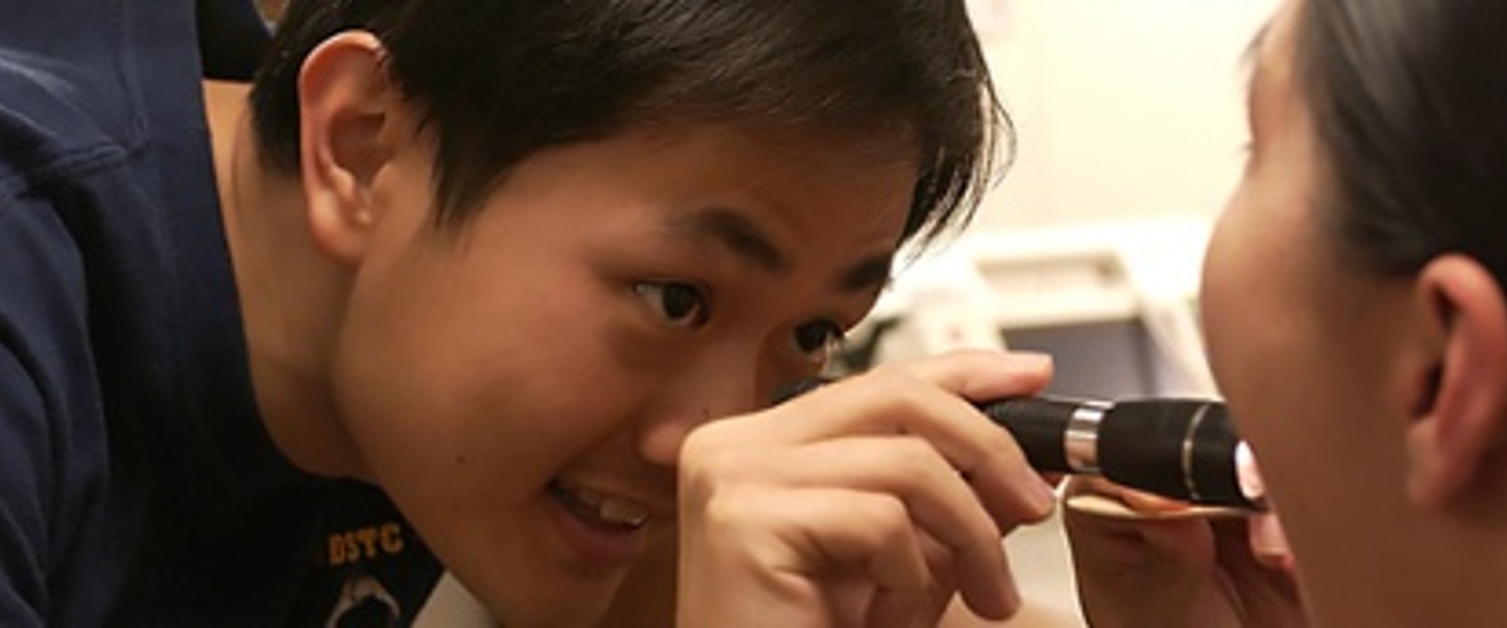
Ein nod yw darparu gwasanaeth arbenigol o ansawdd uchel i oedolion ag anawsterau cyfathrebu a llyncu caffaeledig.

Rydym yn asesu ac yn trin unigolion ag anhwylderau iaith a lleferydd, problemau llais a llyncu. Rydym yn gweithio'n agos gydag ystod o broffesiynau ac asiantaethau eraill.

Ar gyfer pwy mae'r gwasanaeth?

Mae therapyddion iaith a lleferydd yn gweithio gydag ystod eang o gleientiaid. Gall hyn gynnwys oedolion â phroblemau cyfathrebu a / neu lyncu yn dilyn salwch caffaeledig (strôc) neu salwch cynyddol (Clefyd Parkinson, Sglerosis Ymledol (MS), Dementia), cleifion sy'n derbyn gofal critigol neu ofal lliniarol, a chleifion gyda problemau gyda'u llais, canser y pen a'r gwddf, neu atal dweud.

All unrhyw un ddefnyddio'r gwasanaeth?

Gall - mae atgyfeiriadau yn agored ar gyfer problemau cyfathrebu a ymbalfrymu. Ar gyfer rhai problemau ymbalfrymu neu lais, efallai y bydd angen gwybodaeth ychwanegol gennym oddi wrth eich doctor.

Oriau Agor
Yr oriau arferol yw rhwng 8:30yb a 5:00yp, yn dibynnu ar y clinigau.

Beth i'w Ddisgwyl

Dylech ganiatáu tua awr ar gyfer eich apwyntiad cyntaf. Gall hwn fod yn alwad ffôn, apwyntiad rhithwir neu yn bersonol. Bydd eich therapydd lleferydd a iaith yn asesu natur y anhawster ac yn trafod canfyddiadau’r asesiad. Byddant yn cynnig unrhyw gyngor ac strategaethau ar unwaith a allai helpu. Efallai y byddent yn eich rhyddhau chi (ac yn anfon adroddiad at eich meddyg teulu/meddyg) neu'n cynnig apwyntiad dilynol. Efallai y byddent yn cadarnhau dyddiad dilynol neu'n gadael hwn yn agored i chi drefnu os oes angen. Ar gyfer rhai anawsterau cyfathrebu neu llwygu, efallai y byddwn yn cynnig rhaglen o driniaeth i chi.

Gellir cynnig triniaeth ar sail unigol neu grŵp. Gall fod yn rhithwir neu wyneb yn wyneb.

Os yw therapi yn addas, fel arfer caiff ei chynnig mewn bloc (e.e. 4-6 sesiwn). Ar ddiwedd cwrs therapi, caiff penderfyniad ar y cyd ei wneud gyda chi ynghylch triniaeth bellach, adolygiad neu ddiswyddo.

Croeso i chi ddod â perthynas neu ffrind gyda chi am gymorth os dymunwch. Gall hyn fod yn wirioneddol ddefnyddiol os ydynt yn debygol o gefnogi eich cyfathrebu bob dydd neu anawsterau treulio bwyd.

Cysylltwch â Ni

Gallwch gysylltu â ni ar:
E-Bost: CTMUHB_SALT_Adult@wales.nhs.uk
Ffôn: 01443 443443 ext 72547
Twitter / X cyfrif: @cwmtaf_speech

Dolenni Defnyddiol

Fideos Defnyddiol


0:01 when did you have the stripe Jane with

0:04 dis and fifth notes

0:09 I know exactly I know that goatee so

0:14 till three years ago yet and we were at

0:22 our house in expect I know that until

0:29 ethic and I woke up in the morn

0:35 and she was living a left arm about a

0:43 new really you can say that the craft

1:00 work was a hobby but it wasn't it was an

1:03 obsession if we got in the car to go to

1:06 the door that's two miles away and you

1:10 sat down in the car what did you do take

1:15 a trick like that all right

1:21 [Music]

1:33 you

1:34 [Music]

1:44 this is truly like that like that once

1:52 beautiful like that too right like that

1:59 too late like that

2:03 that's all to 56.8 all this and this do

2:13 they correct but I wanted I told other

2:22 people though and that is that you said

2:25 that if you still in front of jaw and

2:27 said put your finger on the end of you

2:31 knows the chances are she would not

2:35 understand the instruction and do it but

2:39 if you took a finger and set you finger

2:42 on the end of you knows that you don't

2:45 and that was the biggest single lesson I

2:52 could have had that it wasn't just the

2:59 fact that you can talk which couldn't

3:01 that the words were inside of that you

3:04 couldn't get them out it wasn't just

3:05 that it was the process of how the brain

3:10 work was not the same that she would not

3:16 necessarily understand everything that

3:19 was anywhere she would nor the world she

3:22 would recognize the words that she

3:24 couldn't process that information and

3:26 with that I have to keep reminding

3:29 myself or until you find that you

3:32 communicate with shown in different ways

3:34 now if I try to move it using a humble

3:38 man this as you say she would say no

3:43 when she means you

3:44 and she say yes when she means no

3:46 sometimes so it's knowing when that

3:51 families happened so tip we got from the

3:56 aphasia Center was if you say in or

3:59 shake your head or put your phone down

4:01 nor if you say yes in politics and until

4:06 yeah I sometimes find yourselves it

4:08 getting so frustrated and worked up

4:13 myself that I've got to walk with and so

4:20 how it must be for John back at all I

4:23 can't really know I think it's only

4:27 somebody who's being in a position

4:29 control we know how my nominee often

4:34 lies

4:35 so sometimes we just have to stop

4:38 because we are getting so emotional so

4:42 we're not not too often we certainly

4:51 since this happened with crowd north

4:59 you find this happen with the same time

5:06 [Music]

5:38 and and and they talked me to do and

5:45 they wait like that like that Wow

5:55 he said the house you know what you save

6:00 me out and if the world is nice

6:07 we've said again you sit down god yeah

6:11 for what's obvious when you go to the

6:14 pullout earn it I tried it in the car

6:18 could go anywhere anywhere Caesar and or

6:26 up the Lord the Lord's nice in the cup

6:34 and we go and what sort of place do you

6:38 like to go to one where a patient like

6:48 [Music]

6:59 you

7:08 you


0:04 Becoming a speech and language therapist or SLT  for short what can you expect? it's an extremely  

0:10 rewarding career that can be accessed through  University or apprenticeship and it might involve  

0:15 more than you think. For instance as well as  supporting people with their speech and language  

0:20 SLTs also assess and manage eating drinking  and swallowing, support social communication  

0:25 and behavior, provide training to others such  as family members, teaching staff, medical  

0:30 teams and maximize quality of life. SLTs work with  everyone across the lifespan from birth to end of  

0:36 life care. Teamwork is a huge part of being an SLT.  You'll learn to work with a range of professions  

0:43 such as carers, teachers, occupational therapists,  physiotherapists and other medical professionals.  

0:49 You'll never be short of choice when it comes  to the settings that SLTs can work in including  

0:54 homes, clinics, nurseries, mainstream and specialist  schools, hospitals, rehabilitation facilities and

1:01 even prisons to name just a few.

1:03 Let's meet some current SLT students to hear their experiences.  

Why did you choose SLT

1:08 Why did you choose speech and language therapy?

1:12 I love working with people especially with children  

1:16 and I always wanted to incorporate some of my  linguistics knowledge in a more practical way.

1:21 I chose to study speech and language therapy  because I believe that everyone has the right  

1:26 to a voice and for their opinions to be heard. I  completed my time in marketing and advertising  

1:32 and I thought I've got a few transferable skills  that goes into SLT because having a degree  

1:39 in advertising which is a communication, a  form of, so I thought I've got these skills I  

1:45 can do that. Sounds quite good. I want to work  with people. I like working with people I like  

1:51 helping people and just having that connection. 

1:55 I chose SLT because it's got great job prospects.

What do you like about the course

2:00 What do you like about the course?

2:02 Because the profession is so broad it's impossible for the  

2:06 course to cover every aspect but one thing I've  really loved is how many opportunities there are  

2:11 to get involved in things that take your interest.  We have a strong theoretical and evidence-based  

2:18 knowledge from all our lectures covering a range  of clinical populations and client groups that  

2:24 we're likely to encounter as newly qualify therapists. 

What challenges have you faced

2:31 One main one being adjusting to the expectations and the academic kind of writing of this course was new for me

2:40 my background isn't in that that type of writing  at all so it took a few assignments to adjust.

2:47 As a student with a disability navigating study and  placement has been challenging at times however  

2:52 I found that my disability gives me really  valuable insight that allows me to support  

2:56 others. My own past healthcare experiences both  positive and negative helped me practice in a  

3:01 more inclusive way and really inspire me to be the  best clinician I can be so that any person I work with  

3:06 feels respected and supported the way that they  should be.

3:09 Anyone with children out there who is  

3:12 thinking of having a career change into speech  and langage therapy my advice would be to go for it. 

Advice to future students

3:18 What would you like to tell future students  and apprentices?

3:23 Having a non-standard English accent will not affect you as a clinician as long as your English is intelligible and comprehensive you're good.

3:33 I would like to say to the future students considering speech  

3:37 and language therapy course that while the course  is demanding and covers diverse subjects like

3:45 linguistics, anatomy, psychology, assessment  and intervention strategies

3:54 and despite the challenges that may arise throughout the course,

3:58 enjoy the process and know that becoming a speech and language therapist can really make a difference in the lives of individuals  

4:07 that have a speech language communication  or swallowing difficulties.  

4:12 Read up on the excellent resources available on the RCSLT website and include any relevant experiences in your application.


0:03 I'm Tom I'm a speech and language therapist and I have spent most of my career working in acute care um in

0:10 stroke medical and intensive care and um I currently work in a managerial post uh overseeing the acute hospitals thanks

0:19 Callum hi there I'm Callum I'm a speech and language therapist working in the youth Justice service so um my role really is to support young people

0:27 throughout their journey in the criminal justice system um and ensure that speech language and communication needs do not

0:34 adversely impact things such as Court proceedings or young people's ability to engage in community

0:40 interventions and Chris yeah I'm Chris uh and I'm a speecher language therapist

0:47 working in our community clinic settings um so I work with children from

0:54 generally about two up to about 18 who have a range of different speech language uh and communication difficulties really just trying to help

1:02 them Reach their potential Tom what made you choose speak and language therapy as a

1:10 career it's a long story but I'll try and keep it brief I think when I was in school and there were all the kind of typical job routes that people talked about like um and I found lots of them

1:19 interesting for different reasons so like psychology I thought might be something I could be interested in or teaching maybe um Linguistics was

1:26 something I was just kind of a bit naturally good at at school but nothing really kind of jumped out as being like um oh this is the thing that I would

1:34 love to do uh and then sadly my grandfather got dementia and um I watched his kind of language change and

1:41 deteriorate and also whilst that was happening had some interaction with someone who worked in speech and language therapy whilst I was finishing

1:48 off my English degree and I thought oh that sounds interesting I could really see how someone like that could have helped my family and my dad um cope

1:56 better with those changes to my grandfather's communication um and so based on that I went and did the uh the undergraduate uh speech and language

2:04 therapy degree and haven't look back since and Callum um I wouldn't say I've got as as

2:11 inspirational a story as Tom um I I've always wanted to do something sort of person facing um from sort of a health perspective um so I was originally

2:19 looking to to do pharmacy and I went out I spent the day in the hospital with um the Pharmacists and um I saw a speech and language therapist conducting a

2:27 swallowing assessment which I thought was absolutely fascinating in um looked into it then applied went to University and have done something totally

2:34 different within the same profession um after qualifying so um yeah that was my routine and

2:41 Chris uh so I I actually didn't really know that speech and language therapy was a thing until I was kind of a little

2:49 bit down my my career path really so I I always knew that I wanted to work uh with children and young people um so I

2:57 started kind of going down a kind of teaching T route uh I did an education studies degree and I ended up working in

3:05 child care and things like that um and through that I met children who had communication needs and and kind of

3:13 through that process ended up meeting some speech and language therapists um and my setting got taken on um a training day that speech and language

3:22 therapists had put on and I'd always been batoned by uh Linguistics and things and I just remember thinking these are just the most interesting

3:30 people I've ever seen um and so yeah ended up doing uh a few shadowing days and getting onto an UND graduate degree

3:39 and yeah I also never looked back from there ab and Tom could you tell us what you most like about your

3:47 job well I mean there's loads of things I've Lov direct speech therapy in the time I've been working in it I think what I love most at the moment for me is um there there are so many different

3:55 things I find interesting and fun and I get to do a bit of all of them so like yesterday I was doing an endoscopy Clinic uh and we saw a patient who came

4:04 in was super worried about eating and drinking and left just feeling totally confident reassured um and felt like we

4:12 we made a really big difference to his life and his ability to just go on and do the things that he enjoys um I really love being able to talk to uh families

4:21 and and people with communication impairments and um often we're the only people particularly with like Dementia or aasia who um honor the fact that this

4:30 has an impact on relationships and that they feel they can talk to about um and support them with that you know I think carers often get really neglected in the

4:39 health Journey um so I really enjoy that um and working in hospitals uh it's great it's super interesting uh it's

4:47 really fast-paced but you don't have to do nights like the doctors you don't have to work shifts you get the best of both worlds you get to work nine to five um do really interesting stuff and then

4:55 enjoy your weekends thank you and Callum um I think for me sort of in particularly in terms of my role um is

5:04 is helping young people throughout probably one of the more difficult periods um in their life so the the impact that we can actually have within

5:12 the Justice service you know our reports can contribute towards factors like sentencing mitigation um so we work with

5:20 victims perpetrators alike and um we kind of demystify some of the complex behaviors that they they present with um

5:28 and they're often quite grateful for that because they've they've not always had professionals take them seriously until events of have escalated to the

5:36 point that they enter the the justice system so um I think yeah having that lifelong impact on on young people um in

5:43 in a sort of very significant time is is always something I find really really rewarding and

5:50 Chris yeah I think um for me in sort of similar in some ways it's it's a lot of it's the variety of the the things that

5:58 I get to do day today day no Day is the same as the last no day is the same

6:04 start to end it's it's so varied it is fastpaced but in a very different way to

6:12 perhaps what I've seen in other professions and there is that kind of you you do have that that kind of security of a nine-to-five while still

6:19 helping people um but yeah some of the things so just the yeah the variety my day so thinking um about some of the

6:29 days had this week one day this week I spent uh part of my morning helping a parent understand that the way that

6:36 their child communicates and is learning to communicate is actually perfectly fine um and they left my room kind of

6:43 going from being really anxious and worried to actually being perfectly happy um then kind of on on a different

6:51 side of things uh a child I've been working with for ages and ages um I've been seeing them for months we finally learned to say a sound that they

7:00 couldn't say before uh and they they start they're starting to say it now in in words and things and we've kind of just cracked that this week so it's that

7:08 variety it's that that helping people move forward and just yeah helping people generally I suppose B my last question Tom is there

7:18 any advice you'd give to someone who wants to become a speech and language therapist um yeah there's probably two

7:25 things I would say if you're um and they're kind of related I would say if you have have yet to meet someone who

7:33 is like you um who's a speech therapist don't let that put you off because I think um there we more and more we need people from all sorts of other

7:41 backgrounds be they protected characteristics or not and I feel like I've had a really good time in speech therapy despite not being necessarily

7:49 reflective of the majority and I think don't yeah if you don't see yourself don't let that put you off you know be the change that we need and and get

7:57 involved and similarly if if you finish uh the course go into work with uh an open mind you've heard a little bit from

8:05 um and Chris saying that but you can do literally anything as a speech therapist you can work with kids in ICU that have just been born kids in a

8:14 community clinic teenagers young adults um adult stroke patients all that sort of stuff um just yeah uh just don't get

8:22 yourself boxed in thank you and Callum I think for me really it's it's gain experience before

8:29 you sort of um sort of appli to do anything you know find out really what's what's for you who do you enjoy working with do you like working with children

8:38 adults um and and just kind of try to find out what really motivates you um and I think when you find that Niche area that that you absolutely love um I

8:47 I think you know you come into work then it just doesn't really feel like work when when you're there if um if you enjoy it so yeah get as much experience as you can before going

8:56 away real and Chris uh yeah I think I I definitely find what um what motivates you and

9:04 there's probably some way that you can get that from being a speech and language therapist there is so much that we can do um I think the other thing

9:13 that I would say to people is that there's no bad time to become a speech and language therapist you can you can come back in at any point in your career

9:22 um and the experience and things that you'll bring with you is is really really valuable so even if it's not for you right now keep it in mind to something that might be for you in the

9:30 future


0:02 swallowing problems or dysphagia is

0:05 really prominent rocky optimized

0:07 patients and quite often there are lots

0:10 of reasons why patients have swallowing

0:13 problems and they can be quite complex

0:15 so having an early swallowing assessment

0:19 from speech and language therapist is so

0:22 vital because consequences of not

0:25 picking up swallowing problems leads to

0:27 worse outcomes for patients and often

0:29 prolonged length of stay what we're

0:31 trying to work out is why they have a

0:33 swallowing problem if we can work out

0:35 why we can work out what to do to fix it

0:37 the best most accurate assessment tool

0:40 is fees fees is fiber-optic endoscopic

0:44 examination of swallowing this involves

0:47 a speech language therapists passing an

0:49 endoscope along the nose to the back of

0:52 the pharynx in order to look at the

0:54 larynx look at the vocal cords look at

0:58 secretions and look at the swallow it's

1:01 also really really helpful for the whole

1:03 MDT management of the wean and if we

1:06 pick up intubation trauma and edema and

1:09 vocal cord pulses this can actually

1:11 affect what we do in terms of weaning

1:13 and D cannulation we can actually give

1:16 the patient food and drink with the

1:17 scope in and see how how at risk they

1:20 are of aspiration when we don't know if

1:23 silent aspiration is occurring what

1:25 people tend to be is a little bit more

1:27 cautious and keep patients know by mouth

1:29 so if we've got much more accurate

1:32 assessment we tend to progress people

1:34 onto oral feeding even if it's only as

1:37 as few sips of something if we're able

1:40 to get people eating and drinking sooner

1:42 then generally speaking they get out of

1:44 hospital quicker


Chapter 1: Intro

0:00 I have a stunner I have a stammer

0:18 gamma you have a stammer I have a sermon um I have a stammer

0:26 I have a stammer I have a stutter I

0:38 have a stammer I have a stomach I have a summer

Chapter 2: What I wish the world understood

0:58 what do I wish the world understood about salmon

1:06 I wish the world would understand the stress and fear that someone who stammers

1:13 can feel that's the impact

1:20 I wish the world understood that stamron is not what they usually see

1:29 what they see is the struggle that is associated

1:33 [Music]

1:36 this struggle is everything we do to try not to stammer his Comedy Calls boy how we feel on the

1:45 inside and also by external pressures down

1:54 a daily basis I wish the world understood that um speaking with a stutter has no

Chapter 3: I wish the world understood

2:02 bearing on my intellectual capabilities and it's just the mechanics of my voice

2:09 it's assumed that we're stupid

2:14 uh we have had trauma in our lives but we just did it for attention as a kid

2:23 and carried on I've heard it all and the one thing that I wish the world

2:29 understood is it's just how some people talk and it's okay to

2:38 stunner I wish that the world knew that because I was summer it doesn't mean that I'm nervous

2:48 that I shouldn't go for the job that I want to do that I shouldn't do the things that I thinker best for me in

2:56 life is neurological

3:06 I wish the world understood that people with a stammer are intelligent or intellectual we are human beings and we

3:16 can do anything we can just like anyone else they can't understand

Chapter 4: We are human beings

3:23 I was go inside us when we struggle to talk oh

3:38 what I wanna say

3:52 um

4:05 [Music]

4:09 I wish the world thought of stammering and stomach's speech

4:19 we all talking different ways is the way some of us talk um

Chapter 5: Effects of stammering

4:26 its effects not only speaking but it also affects the whole

4:35 like body including fatigue

4:39 [Music]

4:40 and anxiety we live in a world where it's

4:47 taboo subject is success and I just wish the world

4:57 stammering like Rachel everything else um because it's not a visible thing

5:03 until someone speaks it seems to not get the recognition of other things and

5:12 how it starts what would happen in the world I think that's the world should know

5:20 that we who timer have a lot of potential and we

5:28 have a voice and that voice should be used we can try to take real steps to ensure that people in Stella are

5:36 accepted for the way that this we don't need to be fixed we don't have a disorder we are not normal we just

5:45 speak differently I have to go through life avoiding saying certain words

5:54 which makes me feel really embarrassed I also feel that it is hidden and

6:01 misunderstood but it would be great to be able to try it change this

Chapter 6: What could people do

6:10 what could people do or not do that would make our lives easier as someone who has a stammer I ask

6:19 people to be patient to not to finish my sentences

6:25 and to smile I made puzzle funny faces and a smile can help put me at ease

6:33 I find getting started talking on phone calls quite difficult and I really wish that

6:43 people would give more time particularly people and businesses and organizations who I might be sort of cold calling they

6:50 don't know it's me on the end of the phone a lot of people on the phone just to allow more time and space

6:58 for me to get started and explain why I'm calling be patient

7:06 when in conversation with us what we have to say holds as much value

7:15 as anyone else they way we say it is just a difference not a disorder

7:28 people could give me time to finish speaking and to not laugh when I'm sorry

7:35 what people could do to make my life easier is to wait for me to finish what I have to say to not act in a different

7:44 way to what you would with someone who who doesn't hammer and to just treat me like a noble

7:54 person because what I have to say is is probably going to be really good

Chapter 7: Conclusion

8:02 and just to be patient because I'm rushing a person whose status doesn't help anything

8:10 the one thing that people could do then that would help greatly is talking about

8:19 stammering so if you work with a colleague of stammers or even close family often

8:26 and I bet you've never spoke last summer in all you have you think you have but in reality if you asked him

8:35 how it makes me feel or anything like that um so my do is to talk about summering

8:43 it's the summer ones too which I've not met one yet who doesn't

8:50 we will let you know I will have got a stoma that will help us to build confidence

8:58 to be able to express ourselves

9:30 album s what I'm saying

9:40 what would really help is he is if people listened and waited for

9:50 me to fur finish my tuna is please don't

9:58 interrupt us when we're stammering um it's hard enough having the attention

10:06 honors but you add into that when you interrupt someone and if you interrupt and say the wrong thing

10:14 then we have to start all over again when we are open about

10:22 stamron this takes courage vulnerability

10:30 be respectful when we are open about hours timer if I could give one piece of advice to a

10:37 person who doesn't stomach is to listen to our experiences listen to how we want people to use language and also listen

10:47 to the stummer itself it could feel strange it can feel awkward but that moment of

10:55 but a block or a repetition is an opportunity

11:02 to understand that person and it can be a very vulnerable moment for a person who stammers listen

11:14 I'm moving

11:19 [Music]

11:21 it's how we talk thank you foreign


0:07 ok con chile

0:19 ah

0:56 para mí

1:31 no lo sé

2:09 sí sí entonces

2:17 rachel grant millones sí

2:29 sí

2:52 de mí

3:12 en el excel

4:17 6

4:37 m

5:00 siempre destructivo phillips

5:09 informe ok

5:30 la compres


0:00 we're a team of speech and language

0:01 therapists we work without lots alone

0:03 disabilities in very Hayward middles in

0:05 Rochdale Alderman Stockport we support

0:08 people with communication communication

0:11 is central to everything it is much more

0:14 than simply a two-way exchange of

0:16 information it is how we connect with

0:18 the world and forms the basis of our

0:21 relationships with others we'd like to

0:23 share with you our 5 top tips for

0:25 communicating with people with learning

0:27 disabilities tip number 1 think about

0:32 the language you use use easy words and

0:35 short sentences you might need to

0:38 explain what some words mean tip number

0:40 two check that the person understands

0:44 you could ask them to explain it back to

0:47 you in their own words and you may need

0:50 to repeat information more than once tip

0:53 number three follow the person's lead

0:56 and go at their pace you may need to

1:00 speak more slowly and use pauses make

1:04 sure you give the person time to process

1:06 information and respond the use of

1:09 nonverbal communication is particularly

1:12 important it gives meaning to the words

1:14 think about facial expression body

1:17 language and tone of voice when

1:20 communicating with the person being a

1:23 good communicator is listening to the

1:24 person it's valuing them and respect in

1:27 all forms of communication

1:33 to speak in doesn't mean they can't

1:35 communicate


0:01 hello hello so Sarah do you want to tell

0:10 us a little bit about you my name is

0:14 Sarah and I'm 20 20 want to come on your

0:27 fingers 28 yeah 28 I had a stroke at

0:40 school when I was 18 when I was in my

0:46 English class I was supposed to be speaking a line and so I realized

0:57 straight well I didn't actually realize but all of my friends and my teacher realized because I couldn't talk at all

1:06 I didn't realize that I had a strike I was thinking I was just tired because it

1:14 was um the first part of the day but I

1:22 went to the hospital straightaway and were you conscious I was kind of out of

1:32 consciousness or at the time and I can't really remember what happened when I was in the hospital but you couldn't swallow

1:41 you couldn't walk and you had weakness down one side and what was your speech

1:50 like after your stroke um so I couldn't say anything my parents bought me a

2:01 magazine and I realized straight away that I can read because it was all of

2:09 the words but just goggle D Guk I could just just see the pictures

2:17 because I couldn't say anything I couldn't say oh I can't read but also

2:25 that all of the doctors were talking to

2:34 me saying could you sit down or stand up or raise your by today and I just

2:43 couldn't understand what they were talking about I wanted to help but I

2:51 just said everything really was not working so it was a severe stroke and you're in hospital for five months

2:59 hospital and we have a lot of people now think you're better and how do you feel about that when people say you're better

3:08 well if you've seen this video you've seen that I as things that I can't do or

3:15 if it's it's difficult but your speech is very good isn't it so I my speech was really bad order had

3:26 my stroke what I said I couldn't say anything and then I could say yes and no

3:34 but all of the time I wanted to say yes but I said no so it was very confusing

3:42 for me but also all of the people like my family and friends that was hard and

3:50 it was quite a long journey with lots of speech therapy and and we did these videos the first one was nine months

3:57 after your stroke was met yeah the first video was really hard couldn't really

4:06 say much and even though I said you know numbers is still difficult it was so

4:12 much worse at the start and my speech is actually I think they're the best thing

4:20 that I've changed a lot are to my stroke and because I've been working me

4:26 hard because I did speech therapy but you know I can't read and write

4:35 very well I have apps in my phone and my

4:41 computer so if I want to text my friend

4:46 I have my app and because most beaches reasonably good after the stroke that I

4:56 can just say what I want to say and it converts it to it like a text and I used

5:08 that every day and the same with my computer so if I want to have in emails

5:13 I do the same thing really it's it's really hard and there was like artemus

5:23 rate there was days that I was very upset and maybe not angry but just

5:29 thinking I'm alone so I was in school but it was like I'm

5:40 in college so I was almost going to do my exams and then I was going to uni so

5:48 a lot of my friends went to uni and I was stuck on my own and I didn't do much

5:55 and that was maybe the worst time um because I didn't know what's gonna

6:04 happen with my life now because I was thinking I was gonna go to uni I would study what I wanted which was biology

6:13 and I would have a job after and then I would have a nice boyfriend I would have

6:24 kids with and I will be married I could have a house and I that was that was

6:34 that was gonna be when I had my stroke everything changed

6:41 and I was like well what am I gonna do I can't speak I can't read and write and I

6:49 could walk again so that was good but well and I was lost

6:57 and what do you think helped you because a lot of those things that you wanted to achieve you have achieved now so what do

7:05 you think worked for you so speech therapy was the first thing

7:12 that would helped me a lot say my speech was a bit better so when I

7:19 was at school I was working in the

7:23 weekend at a food shop and they phoned

7:35 me after my stroke a lot saying are you alright is there anything that they can do for a year I think it was a year that

7:46 it was just too difficult and so they were just talking to my parents and they

7:53 said you know I was you know better but you know then you know it's not the right time but it was a time maybe a

8:02 year that we went and face-to-face you

8:09 were talking because what I was doing before my stroke was very need to talk

8:16 to the customers and numbers and things like that that I can't do now and so I

8:23 was like well I can't do the job that I had before so they were very very nice

8:31 and they said we can have a different job that's a bit better for my situation

8:38 and I could have another kind of a person working with me just if there's

8:44 anything that I needed help or - so kind of just support me

8:50 and I had a name and also it said that I

8:56 had a stroke so they were really really really good and then after you worked

9:05 there for a while you felt like you could maybe do something different yes

9:10 so I contact my old teacher the same

9:19 school the one that I had my stray cat and said I like biology and I was going

9:26 to study the Uni is there anything that

9:32 I can do volunteering and to do with a

9:37 Balaji science so I was working still in

9:44 the supermarket but also working I think two days a week not it was not a full

9:53 day but it was something something that I liked and something practical which I

10:03 can do but also talking to people which was challenging but also that I was kind

10:11 of out and talking to people and that was really nice it was like I was a

10:20 normal person again which was and that gave me the confidence to apply for

10:27 other jobs and what do you do now so I well I'm not a scientist but I'm

10:38 kind of an I know

10:46 a senior technician made difficult words

11:00 like me yeah and you're working in cancer research aren't you what yes my cancer treatment

11:09 yes it's real treatment it's not no researchers actually help the cancer it's very interesting you like you

11:16 thinking it's something that I would would be doing maybe after I went to uni maybe maybe

11:26 more higher up maybe but it's been a very long struggle but I think the point

11:35 is that it's something that I wanted to do and I've been able to do it I think

11:41 also that um before my stroke I was not driving and when I was doing speech

11:48 therapy one of my goals was having some

11:56 things to do with driving because I

12:00 wanted to pass my driving test also now

12:09 you have a boyfriend you bought a house together you've come a very long way haven't you but it hasn't been easy and

12:18 people don't always know that you have aphasia they don't know that you've had a stroke you don't always tell them I

12:25 don't say it straightaway I think when I want to talk about it I

12:33 will and I'm not shy about it if people want to talk to me about it um but I

12:41 don't want to say it straightaway I had a stroke because I want to feel

12:48 like I am a normal being and on my am I don't want to feel like this is dairy

12:56 you had a stroke you're different and I think yes it's it's hard and

13:06 people think that I'm shy which I'm not

13:11 but I think you know I'm me and say my

13:18 boyfriend didn't know me before he's

13:23 really really good he really helps me um when I bought the house which is almost

13:32 two years ago that we bought the house um there was a lot of things that I couldn't do my phoning up people and and

13:41 he's really being amazing but I think the important thing that

13:50 even if there's difficulty with the

13:55 strike and aphasia I think if you have goals you can do it

14:04 it's been more challenging but you can do it it yeah and you've done a lot of

14:11 work raising awareness you've been on television here and radio and in a reality program and you've visited

14:19 people in hospital we run our support group for people with aphasia say you're still doing a lot of work to try and

14:25 raise awareness yeah it's always raising awareness and people still think that

14:33 young people can't have strokes so it's important to let people know that I mean people listening to this

14:41 that the conference will know that too and it can happen to anybody of any age but they when we did the videos that

14:50 we've done every year now we did it because we couldn't see lots of videos

14:59 people that have aphasia and and we didn't really realize that people want

15:07 to watch our videos because I think anything that exciting but I think the point is that people want to

15:14 watch it and like I always said you know I'm one person or stroke and aphasia are

15:22 different and I want to know that there's other people doing it because

15:29 then if more people what watch people's different straight enough easier that

15:39 that they would understand that what it's like because people like normal

15:46 people which I think I'm normal as well but they understand more people are not

15:55 going to be shy and not talk to people like strangers it will be just a normal

16:02 thing and and then people would be not so because there are so many people with aphasia and all don't people need to

16:11 know about it in yeah and so we're doing this video for the conference that's

16:19 happening in Australia yeah and you've been to Australia a few time something new because your sister lives there I mean before that when we went yeah we

16:28 won't know once before you love it that ain't me and hopefully going next Christmas yes I'm I wish I was there

16:35 with you Tim yeah thank you another time thank you okay


0:01 what is voice and message banking about eight in ten people with motor neurone

0:07 disease MND develop difficulties with speech and communication if your speech

0:14 is affected communication aids can help get your message across communication aids can be very simple like pen and

0:23 paper or alphabet boards or they can be computer-based some use voices to speak

0:31 the text you enter some people choose to use the voices that come with the communication aid but it may be possible

Chapter 2: Some people choose to use the voices that come with the communication aid

0:39 to use a version of your own voice instead of the voices on offer recording your voice to create this version is

0:47 known as voice banking you record lots of random phrases from a voice banking

0:53 provider to bank your voice these recordings are then split into small pieces so you can create sentences as

1:02 needed on your communication aid if you decide to Bank your voice it is best

1:11 done as soon as possible after diagnosis as your speech may become less clear and the less your speech is affected when

1:18 recording the better the results if your voice is seriously affected by M&D voice

1:25 banking may not be suitable but a family member or friend with a similar accent could bank their voice for you if this

1:34 feels right for you both recording the phrases can take many weeks to complete and may be quite

1:41 tiring voice banking technology is improving but it cannot make your created voice sound exactly the same as

1:49 your natural speech it will sound like you but timing pitch and tone may be quite robotic for

1:59 example when someone says can I have my coat please it would sound like this

2:06 after voice banking can I have my coat police if you want certain phrases spoken in your natural voice you can

2:15 record these to use directly on a communication aid which is known as message banking you can use a

2:22 combination of voice banking and message banking if wished message banking can be useful to store things you often say or

2:31 personal messages such as I love you or a bedtime story for a child or simply

2:38 the sound of your laugh this can take less time than voice banking and can include more personality or emotion as

2:46 these messages will sound exactly the way you recorded them you can Bank messages on any device that can record

2:54 sound clips but apps are also available and can be used for the communication aid different voice banking services are

3:02 available these varying costs and how many phrases you need to record your speech and language therapist may be

Chapter 3: Your speech and language therapist may be able to provide information about voice and message banking services.

3:09 able to provide information about voice and message banking services they may also be able to loan equipment to help

3:16 you with recording you will need a computer or laptop with access to the Internet a USB headset microphone and a

3:26 quiet place with no background noise if your speech and language therapist is unable to advise or help with equipment

3:33 contact our helpline mnd connect our helpline team can also provide guidance on speech and communication difficulties

3:42 with mnd and how to apply for financial support to help bank your voice anyone with MND living in England Wales or

Chapter 4: Speech and communication difficulties with MND • How to apply for financial support to help bank your voice

Chapter 5: Anyone with MND living in England, Wales or Northern Ireland can apply for an MND Association voice banking support grant

3:51 Northern Ireland can apply for an mnd association voice banking support grant mnd connect Oh 8

4:00 o8 802 6-2 6-2 MND connect at MMD

4:07 Association org or visit our web site at www.imtcva.org


0:02 amén

0:25 no no no sí rey

0:38 y claro eso lo hice

 
Dilynwch ni: